
Maximizing Small NYC apartment design: Smart Interior Design Hacks That Work
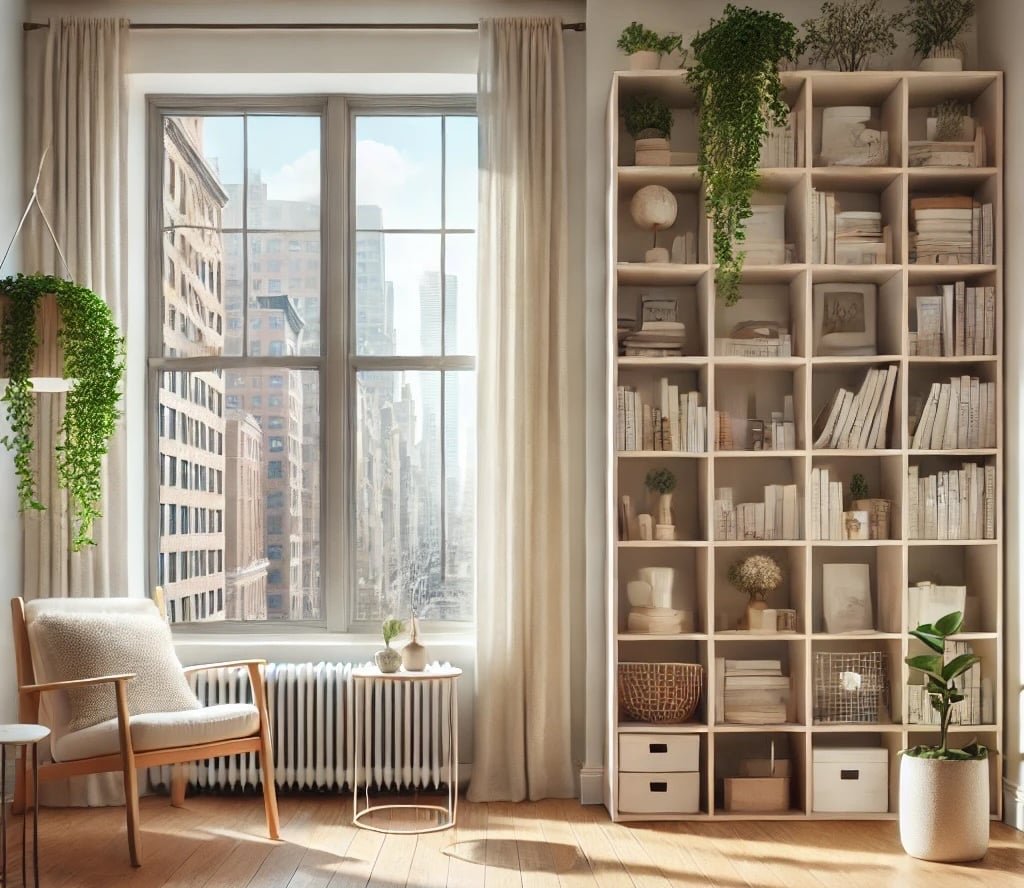
Whether you’re in a studio the size of a walk-in closet or a one-bedroom doubling as an office, gym, and storage unit, space is precious. But small square footage doesn’t have to mean small style. With the right design hacks (and a little creativity), even the most compact NYC apartment can feel stylish, functional, and surprisingly spacious. 1. Mirrors: The Best Small Apartment Design TrickMirrors are your best friend when space is limited. They bounce light, create depth, and instantly make your apartment feel more open.Best places to add mirrors in a small NYC apartment: across from a window to reflect natural light, on closet doors (no tools, no hassle), or as a statement piece to replace bulky wall art. 2. Modular Furniture: The MVP of Small Space LivingIn NYC, every piece of furniture needs to earn its spot. Modular and multifunctional furniture is a game changer.Top modular furniture ideas: a loveseat plus two sleek side chairs (more flexible than a bulky couch), wall-mounted desks that fold away post-workday, storage ottomans for hidden clutter control, extendable dining tables for entertaining, and slim martini tables as stylish side table alternatives. 3. Use Color to Make Your Apartment Feel BiggerDark tones tend to close in a space, while lighter colors open it up—but you don’t have to live in a beige box. Stick to soft neutrals like white, beige, and light gray, layer in personality with pillows, rugs, and art, and try vertical color blocking by painting halfway up the wall in a deeper shade to draw the eye upward and add height. 4. Go Vertical: Maximize Wall SpaceWhen floor space runs out, go up—your walls have more potential than you think. Use tall bookcases and floating shelves, wall-mounted nightstands to clear floor space, pegboards in the kitchen to keep counters clean, and hanging planters for greenery without crowding. 5. Smart Storage Solutions That Don’t Look Like StorageStorage can be stylish. Look for clever ways to hide clutter and keep your space feeling intentional, like under-bed storage bins, hooks behind doors, and benches with hidden compartments. The Bottom LineLiving in a small NYC apartment is definitely a challenge—but it’s also an opportunity to get creative. With the right space-saving hacks, smart furniture choices, and visual tricks, you can make even the tiniest space feel thoughtful and fabulous. From inspiration to installation, Don’t Sweat It has your small-space design covered. Tiny apartment? No problem. Let’s make it fabulous.
Color Blocking for Small NYC Apartments: Use Paint to Add Style, Depth & Visual Dividers
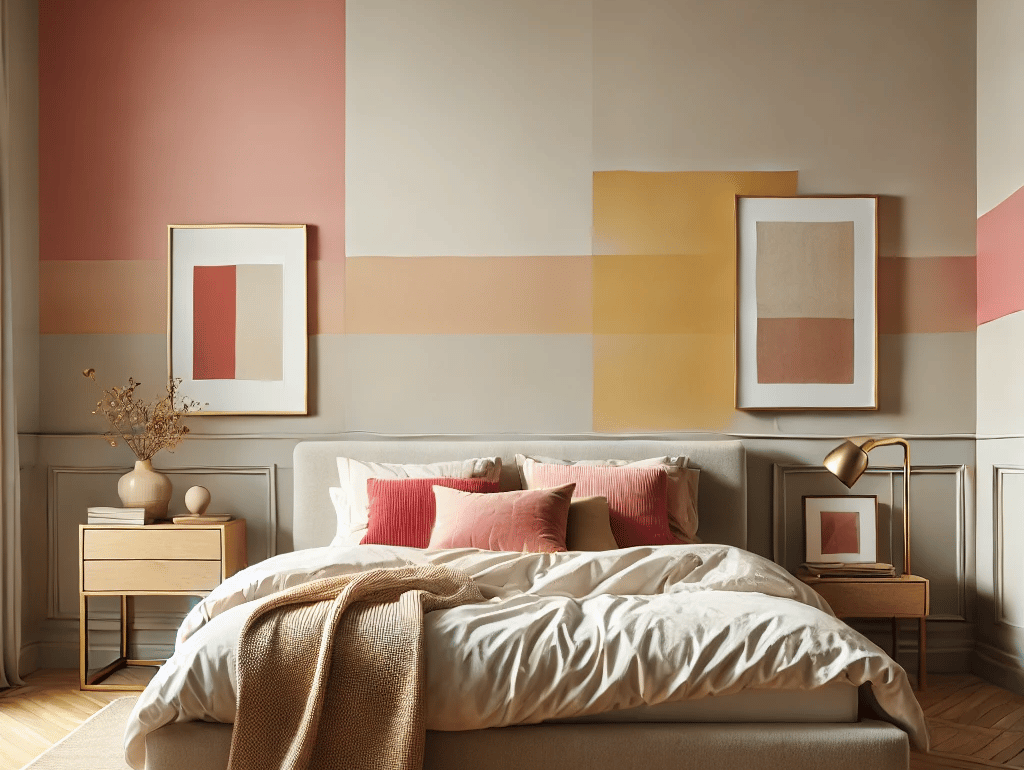
Tiny apartment? Big style incoming. Color blocking is the ultimate renter-friendly design hack — it adds personality, creates zones, and makes your space feel more intentional (even if your “bedroom” is a corner behind a curtain). With the right color tricks, you can fake high ceilings, define areas, and add major vibes. No extra square footage required. 1. Best Colors for Small Spaces Light and bright = open and airy. But that doesn’t mean your walls have to be boring.Go-to paint colors for NYC apartments: 2. Vertical vs. Horizontal Color Blocking Not sure which direction to paint? Here’s the cheat sheet.Vertical Color Blocking: 3. Create Zones in a Studio Using Color In NYC, your living room, gym, office, and bedroom might all live in one room. Color can help you mentally and visually separate them.Zone ideas: 4. Renter-Friendly Painting Tips (Without Losing Your Security Deposit) Painting doesn’t have to mean a nightmare when you move out — just be smart about it.Pro tips: The Bottom Line You don’t need walls to separate your space — just a few cans of paint and a vision. Color blocking is the small-space NYC hack that adds style, structure, and personality without sacrificing light or flow. Need help picking colors or painting like a pro? Don’t Sweat It — we’ve got your back.
How to Get the Most Out of Your Window AC in NYC
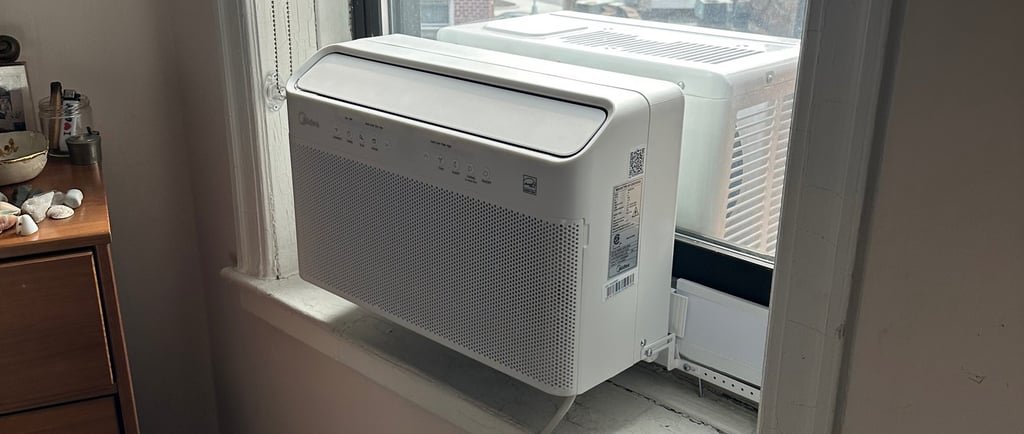
When the sticky heat of a New York summer rolls in, a window air conditioner isn’t just a luxury — it’s a necessity. But blasting cold air isn’t the only goal. Using your AC smartly can keep you cool, lower your energy bill, and extend your unit’s lifespan. Whether you’ve just installed a new unit or want to get more out of the one you have, here are practical, renter-friendly tips to optimize your window AC in a small NYC apartment. 1. Choose the Right Spot Avoid Direct Sunlight If possible, install your AC in a window that doesn’t get direct sun. Units exposed to full sunlight must work harder, raising energy use and shortening lifespan. If your window gets sun, add an external shade or awning to reduce heat gain. Seal the Edges Use weather stripping, foam insulation, or caulk around the AC frame to block hot air from sneaking in and cold air from leaking out. A poorly sealed unit makes your AC work overtime. 2. Stick to a Maintenance Routine Clean or Replace Filters Monthly Dust and debris clog filters quickly, especially in older buildings. Clean reusable filters or replace disposables every month during heavy use to keep air flowing efficiently. Wipe the Coils Both the evaporator and condenser coils should be kept clean to prevent reduced cooling performance. Gently wipe them down with a soft brush or vacuum to remove buildup. Check the Drainage A clogged drain can lead to water leaks and mold growth. Make sure water drips properly from the back of your AC and isn’t pooling inside. 3. Keep Mold at Bay Control Humidity Window units build moisture quickly. If yours has a dehumidifying mode, use it. Otherwise, a standalone dehumidifier can help keep humidity below 60%, where mold is less likely to grow. Clean Regularly Unplug your unit and clean accessible surfaces with a mold-inhibiting cleaner. Wipe vents and the unit exterior at least once a month. Use Mold-Resistant Filters When buying replacement filters, look for ones designed to resist mold growth — especially in older or less-ventilated apartments. 4. Boost Energy Efficiency Use a Programmable Timer Set your AC to shut off when you leave and turn back on before you get home. Many newer models include this feature, or you can use a smart plug. Supplement with Fans A ceiling fan or standing fan helps circulate cool air more evenly. This lets you set the AC a few degrees warmer without sacrificing comfort. Block the Heat During the hottest parts of the day, close blinds or curtains — especially in south- or west-facing windows — to keep the sun from undoing your AC’s hard work. 5. Best AC Brands for NYC Apartments Here are high-performing window AC brands that work well in small spaces: Midea — Ultra-quiet U-shaped design and high energy efficiency LG — Dual inverter tech offers faster cooling with less energy use and lower noise Frigidaire — Reliable and well-reviewed for long-term use Windmill — Sleek, modern design made for NYC-style windows with smart features and quiet operation Final Thoughts Living in NYC means dealing with extreme summers — but you don’t have to suffer through them. With the right setup, routine, and energy-saving habits, your window AC can keep you comfortable without driving up your Con Ed bill. Want help installing or sealing your unit properly? Don’t Sweat It offers NYC-based help with AC installs, renter-friendly upgrades, and home comfort solutions.
Stylish, Space-Saving Pet Furniture Ideas for Small NYC Apartments
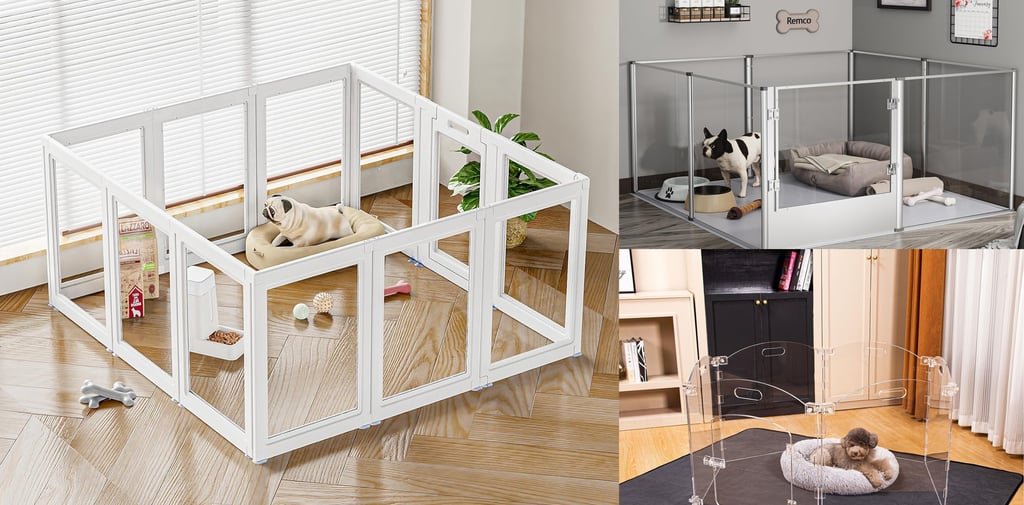
Let’s face it — living in a small NYC apartment means playing a daily game of “Where do I put this?” And if you’ve got pets, that question gets even trickier. But don’t worry — you can have a stylish, clutter-free space without making your dog or cat feel like an afterthought. Here’s how to keep your home looking fabulous with smart, space-saving pet furniture. Five Small-Space Pet Furniture Rules We Swear By Double-duty pieces only — more function, less clutter Light and airy is key — skip the bulky stuff Go vertical — think walls, windows, and shelves Form meets function — design should work hard and look good Simple silhouettes — clean lines = more breathing room Integrated Pet Crates: Double Duty Magic Ugly metal crates? Hard pass. Instead, go for side tables or ottomans that double as cozy pet nooks. Your pet gets a comfy den, and your space stays chic and clutter-free. 🛒 Try Fable Pets (add your link) Cat Shelves & Vertical Cat Trees Floor space is premium real estate — give your cat the vertical playground they deserve. Wall-mounted cat shelves and sleek trees make your feline feel like royalty without eating up your square footage. 🛒 Shop Wall Shelves (add link)🛒 More Cat Trees (add link) Hidden Litter Boxes: Out of Sight, Out of Mind A litter box that doesn’t look like a litter box? Yes, please. Disguised as ottomans or sleek cabinets, these gems give your cat privacy — and give you a fresher, better-looking home. 🛒 Get One Here (add link) Acrylic Playpens: Light, Airy & Pup-Approved New puppy in a 600-square-foot apartment? Clear acrylic playpens keep your space feeling open, your dog safe, and your aesthetic on point. 🛒 Get One Here (add link) Ready to Upgrade Your Pet’s Setup? Pets are part of the NYC lifestyle — even in tiny apartments. At Don’t Sweat It, we help make your home work smarter, not harder. Whether you need help assembling furniture, mounting cat shelves, or picking the right playpen, we’ve got your back. 👉 From inspiration to installation — let’s make it happen.
Break Up a Studio—Keep the Light, Keep the Flow

The golden rules (for light + flow) Protect sightlines. Keep dividers below eye level (≈42″) or use see-through materials. Leave clear paths. Aim for 30–36″ walkways from door → bed → kitchen. Float, don’t cram. Pull furniture a few inches off the wall to breathe. Layer, don’t lump. Rugs + lighting + low dividers = defined zones that still feel open. Use the ceiling. Tracks and swag hooks free up floor space and keep light moving. Furniture Placement as Dividers Use pieces that work while they divide. Sofa-as-gate: Float your sofa with the back facing the “bedroom.” Add a narrow console (10–14″ deep) behind it for keys, lamps, and hidden storage. Daybed or low bookcase: A 30–36″ tall open-back shelf or a daybed visually separates sleep from living without becoming a wall. Headboard screen: Place a freestanding headboard or low bench at the foot of the bed to suggest a boundary. Dining-as-entry: A small table + two chairs can form a believable “entry” and keep the kitchen lane clear. DSI tip: Keep divider furniture no higher than window sills to avoid shadowing the room. Open Shelving, Glass Partitions, and Curtains Zone smartly while letting light travel. Open Shelving Choose backless units so daylight passes through. Stagger heights: low (30″) near windows, taller (42–48″) deeper in the space. Style lightly: baskets on the bottom, airy objects up top. Glass or Acrylic Partitions Consider ribbed/frosted panels (on casters) to blur the bed area while keeping brightness. Keep panels 24–36″ from the window so you don’t block the glow. Ceiling-Track Curtains (Renter-Friendly) Mount a ceiling track for sheer by day + blackout by night (double track recommended). Panel width should be 1.5–2× the span for elegant fullness; hem to kiss the floor. Create a return (wrap the curtain back to the wall) to hide the bed cleanly. DSI tip: If drilling isn’t allowed, use pressure/tension solutions or target studs and provide a COI on the spot for building approval. Use Rugs and Lighting to Define Spaces Make each zone feel intentional. Rugs (anchor the zones) Living: 6×9 or 8×10; front legs of sofa/chairs on the rug. Bed (Queen): 6×9 under the lower ⅔ of the bed, or two 2×6 runners on each side. Dining/Desk: Rug extends 24″ beyond chair legs to avoid chair-catch. Lighting (shape the mood) Ambient: Plug-in pendants or low-profile uplighting. Task: Clamp or floor lamps for desk, reading, and kitchen prep. Accent: Picture lights and LED strips for a soft wash. Color temp: 2700–3000K for chill zones; 3500–4000K for desk/kitchen. DSI tip: Put each zone on a smart plug or dimmer so “movie night,” “work,” and “sleep” live on presets. Foldable & Modular MVPs for Multi-Use Zones Small space = flexible pieces that change roles fast. Drop-leaf table: Wall-hugging desk by day, 4-person dining by night. Nesting coffee tables: Spread out for guests, stack tight for daily life. Lift-top coffee table: Secret storage + laptop height when you need it. Folding chairs: Hang on hooks or slide behind the sofa/under the bed. Modular sofa: Chaise that flips sides, ottomans that dock as benches. Wall-mounted drop desk: Folds flat when not in use. Slim room screen: Hide the bed on Zoom, fold away after. DSI tip: Aim for multi-function + easy stow. If it takes 10 steps to put away, it won’t happen. Layout Recipes (steal these) A) Window Bedroom, Bright Living Bed tucked perpendicular to the window with sheer + blackout ceiling track curtains. Low shelf behind the sofa creates a living/entry and hides bed sightlines. Drop-leaf table doubles as desk/dining. B) Central Lounge, Side Sleep Sofa centered; two rugs define living vs sleep. Frosted panel or curtain beside the bed for privacy. Track lights aim toward art/kitchen; desk lamp handles tasks. C) Entertainer’s Studio Daybed + nesting tables make the living zone guest-ready. Plug-in pendant over compact dining table marks the dining zone. Foldable chairs on wall hooks; blackout returns hide bed clutter. Common mistakes Full-height bookcases by the window = instant cave. Tiny rugs that float like bath mats — go bigger. One harsh overhead bulb — layered lighting is key. Blocking the main path with chairs or storage. Heavy dark dividers that swallow light. If you want, I can also suggest how to break this into Elementor sections/columns for better layout.